ProPharma’s team of dedicated experts is at the forefront of both existing and emerging industry trends. ProPharma’s team inspires tomorrow by leveraging rich data insights across our service lines and functional areas to develop innovative solutions that answer the most complex needs of both existing and prospective clients.
Marketing Authorization in Eastern Europe: Navigating Regulatory Complexity and Market Opportunities
Navigating Market Access in Eastern Europe
The role of the Marketing Authorization Holder (MAH) is central to bringing pharmaceutical products to patients in the European Union and associated markets. The countries of Eastern Europe present a diverse and evolving landscape for pharmaceutical...
ProPharma’s perspective on implementing AI-enabled applications with confidence, compliance, and control Artificial Intelligence (AI) is quickly moving from innovation pilots into core life sciences...
Five Metrics That Predict CRO Success (and How to Measure Them)
Selecting a contract research organization (CRO) is one of the highest-stakes decisions a sponsor makes during drug or device development. The right partner accelerates timelines, protects data...
FDA Adds Bemotrizinol to OTC Sunscreen Monograph: What the New GRASE Determination Means for Manufacturers
On June 10, 2026, FDA issued a final administrative order (OTC000039) amending the OTC monograph for sunscreen drug products to include bemotrizinol as a generally recognized as safe and effective...
One of the biggest challenges in pharmacovigilance is knowing (and staying informed of) regional and country requirements for adverse event reporting. There are so many different requirements,...
Accelerating European Market Entry: The Strategic Advantage of Using FDA Approval in the UK’s IRP
The UK’s Evolving Role in Global Regulatory Strategy Since Brexit, the United Kingdom has continued to reshape its regulatory framework with a strong emphasis on innovation, agility, and accelerated...
Why Medical Information Is Critical to Adverse Event Reporting
Adverse event (AE) reporting is one of the most critical responsibilities across the pharmaceutical industry. At its core, pharmacovigilance (PV) exists to protect patient safety and maintain...
Rethinking the Role of the Medical Information Contact Center: An Untapped Resource for Medical Writing
In many organizations, teams are being asked to deliver greater value with limited resources. This has prompted a closer look at existing functions to identify where capabilities may be...
Rethinking Biometrics Resourcing in Modern Clinical Trials
Rethinking biometrics as a strategic function to improve consistency, scalability, and clinical trial performance. Biometrics has become one of the most critical components of clinical development....
The Hidden Value of Medical Information: Strengthening Brand Trust
Pharmaceutical companies are not always portrayed positively in the media or fully appreciated by customers. A common perception persists that the industry prioritizes revenue over patient...
Opening Scene: A Routine Batch Review, Or So It Seemed It started, as many GMP investigations do, with a routine batch review. But this time, the review wasn't happening on the manufacturing floor;...
IND Readiness Isn't a Checkbox Exercise, It's a Regulatory Risk Management Strategy
Why Sponsors Should Pressure-Test Their IND Before Submission For many sponsors, the Investigational New Drug (IND) application is viewed as a procedural milestone, the point at which a development...
Cyberattacks in MedTech: Lessons from Stryker, Intuitive, & FDA's Cybersecurity Expectations
Cybersecurity threats are no longer theoretical risks for medical device manufacturers. They are operational, regulatory, and patient safety events unfolding in real time. Recent cybersecurity...
The Strategic Importance of a Consumer Health Service Line
In today's rapidly evolving healthcare landscape, Consumer Health brands face growing expectations to provide timely, accurate, and accessible support directly to their consumers. From nutritional...
When AI Meets CGMP: Lessons from FDA's First Warning Letter on Non-Compliant AI Use in Manufacturing
The FDA's April 2026 Warning Letter to Purolea Cosmetics Lab is a notable milestone for the pharmaceutical industry. While there have been prior Warning Letters involving products that incorporate...
Offshoring Medical Information Services: A Breakthrough Trend to Achieve 24/7 Global Market Reach
As the healthcare and pharmaceutical industries continue to grow globally, many companies are increasingly leaning into offshoring medical information services. Medical information teams play a...
Compiling and submitting a New Drug Application (NDA) submission is a complicated and intensive activity. Once you have submitted your application to FDA, you may be curious about what can you expect...
Safety Data Exchange Agreements (SDEAs) and Pharmacovigilance Agreements (PVAs) – An Overview
A Safety Data Exchange Agreement (SDEA) or Pharmacovigilance Agreement (PVA) is a legal written contract which ensures that all safety data, PV tasks and responsibilities are detailed between two or...
An Overview of the PSMF: Pharmacovigilance System Master File
What is a PSMF? The EU Pharmacovigilance System Master File (PSMF) is a legally required document created and maintained by a Marketing Authorisation Holder (MAH). Essentially, the document is a...
The FDA’s homepage contains an item in the Public Health Focus section from the Office of Communications entitled “Don’t Use Expired Medicine.” Given this mandate, I recall from many years ago the...
The Importance of the eCTD Structure for FDA Approval
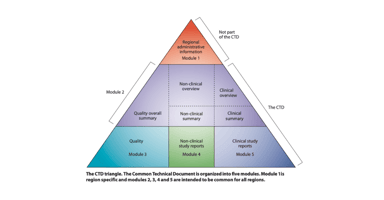
The Importance of the eCTD To harmonize the process of regulatory reviews for global drug development, a unified structure was developed and implemented for electronic Common Technical Document...
In order to incentivize the development of therapies (drugs biologics) to fill unmet medical needs for treatment of serious conditions, the FDA has developed various programs to expedite drug...