Quality & Compliance
Roadmap for Successful IVDR Transition
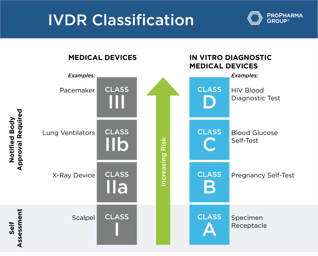
Roadmap for Successful IVDR Transition: The compliance dates for the In Vitro Diagnostics Regulation (IVDR) will become effective on May 26, 2022. To help you with the IVDD to IVDR transition, we've...
Regulatory Sciences
Understanding The Medical Device Single Audit Program
The Medical Device Single Audit Program (MDSAP), initiated by the International Medical Device Regulators Forum (IMDRF), created a global approach to auditing and monitoring the manufacturing of...
Regulatory Sciences
The Human Factor - Preparing Your Device for Usability Testing
When it comes to usability studies, the focus should be on effectively preparing the medical device for use in humans. Whether a Sponsor is conducting formative testing or validation testing, the...
Pedaling While Fixing a Flat: Conducting a Good FDA Meeting Under Bad Circumstances
Before using a significant risk medical device in a clinical study, Sponsors must first obtain FDA approval. Frequently, the request for an investigational device exemption (IDE) is disapproved, and...
Regulatory Sciences
45 Years of 510(k) Submissions: FDA Celebrates with Improvements to the Process
In late 2018, FDA announced changes to modernize and increase the efficiency of its 510(k) clearance pathway, which is the most common medical device submission and allows for the allows for the...
Regulatory Sciences
Understanding Cybersecurity Threats to Medical Devices
The threat of cyber-attacks against medical devices is real. Medical devices capable of connecting, wirelessly, wired, or to portable media such as a USB drive, are more vulnerable to cybersecurity...
Regulatory Sciences
Medical Device Regulation in the EU in the Midst of the COVID-19 Pandemic
Background: Medical Device Regulation in the EU Unlike device regulation in the U.S., which is governed by the FDA, in Europe, medical devices are not regulated by the EMA. Rather, medical device...
Regulatory Sciences
FDA Issues Draft Guidance to Advance Development of Combination Products
On Tuesday, February 5th, FDA published a draft guidance explaining the principles for premarket review of combination products, including how to determine which type of premarket submission is...
Regulatory Sciences
FDA Releases Draft Guidance on Benefit-Risk Determinations for Devices
On Thursday, September 6th, the FDA released a new draft guidance regarding benefit-risk determinations in medical device premarket approval applications (PMAs), De Novo requests, and humanitarian...
Regulatory Sciences
Senators work to Reform FDA’s Medical Device Inspection Process with Bipartisan Bill
On Wednesday, February 15th, Senators Michael Bennet (D – CO) and Johnny Isakson (R – GA) introduced a bill to improve FDA’s medical device inspection process. If passed, the bill would amend the...